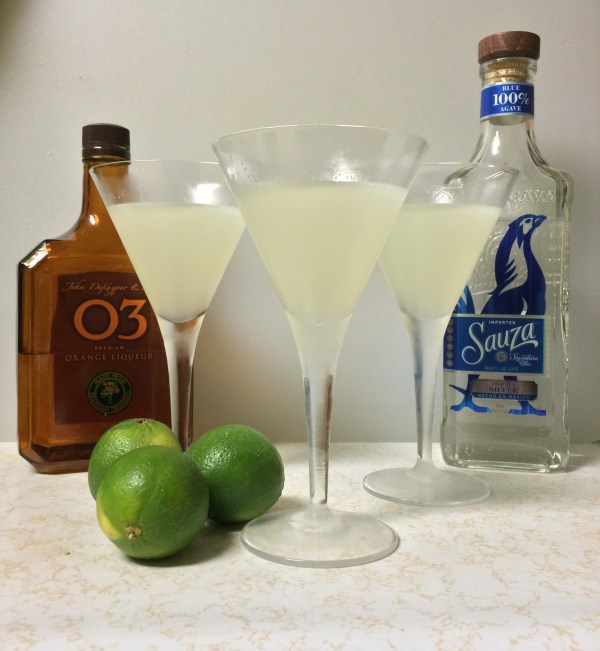
Despite being all ready to do science in honor of National Margarita Day (Feb 22), we were stymied by a late (read that non) delivery of a crucial supply. Plan ahead for your science (adult-sized and of legal drinking age) kiddies.
Despite being all ready to do science in honor of National Margarita Day (Feb 22), we were stymied by a late (read that non) delivery of a crucial supply. Plan ahead for your science (adult-sized and of legal drinking age) kiddies.
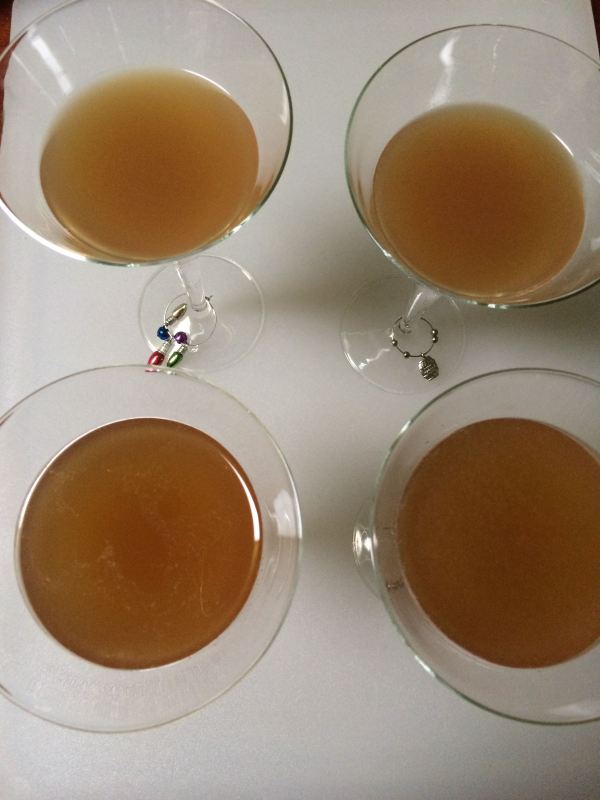
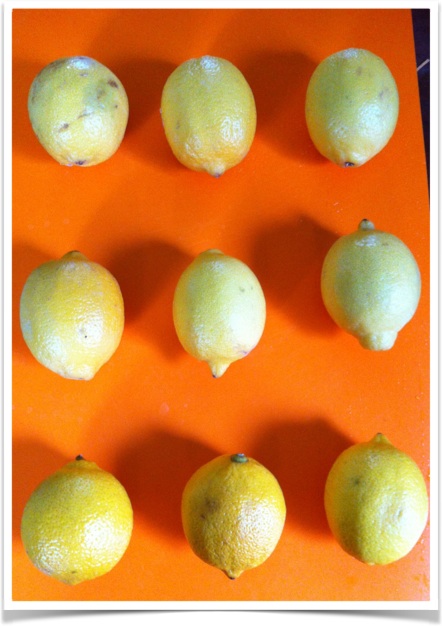
We have investigated sidecars in several ways (different orange liquors, lemon vs ReaLemon, the impact of aging lemon juice), but this time we wanted to compare more types of lemon juices side by side.
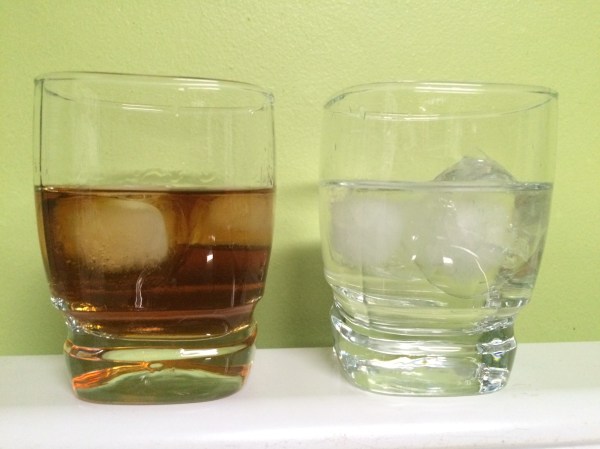
When consuming iced beverages, it casually seemed that ice would disappear at different rates depending on the beverage. What happens when we actually test this?
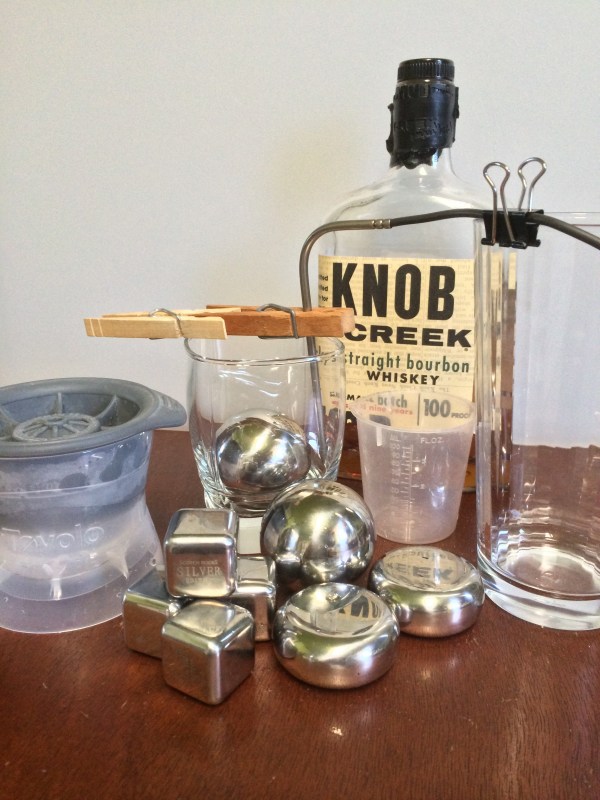
Having contributed the a successful Kickstarter campaign that claimed to “harness the power of phase change to keep your beverages cold” last year, we were excited to put the product to the test. In this post we compare both versions of this new product to two other cooling mechanisms we have on hand.
In this mini-taste-test: which apple-liquor makes the best Jack Rose!
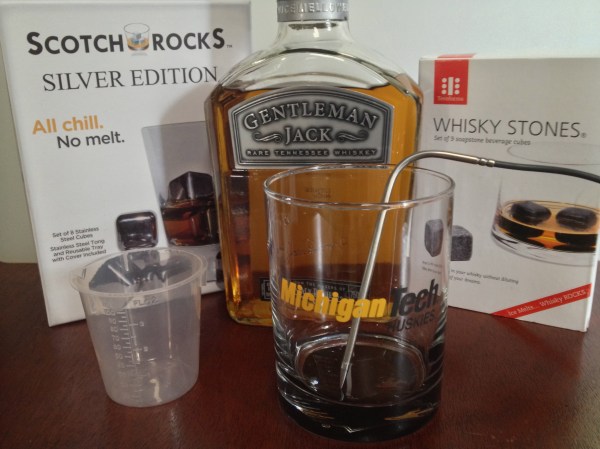
While some whisky aficionados may prefer to drink their high end single malt whiskys neat, here at the Doing Science to Stuff headquarters, we tend to prefer our whisky on the rocks. This unfortunately dilutes the whisky considerably. As we have previously mentioned, the shape of ice can influence both the amount of dilution, and the amount of cooling when using ice. But what about cooling methods that don’t involve the melting of ice?
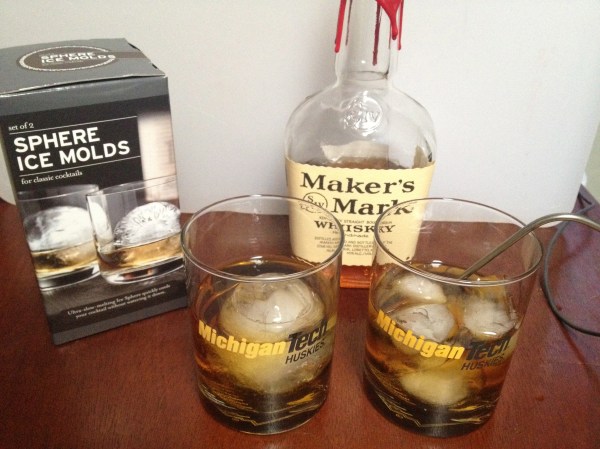
Recently we acquired a set of spherical ice molds at the primary testing facility. While the idea of spherical ice is exciting all by itself, the packaging for the molds makes several bold claims about the properties of spheres. Having all of the equipment on hand to test those claims, we decided to do science to them.

You’ve purchased some beer, and would like to drink them in the near future. What is the best way to get them to a drinkable temperature if they didn’t originate from the chilled section of the grocery store?
 Doing Science To Stuff